Have you ever felt like you’ve had to shrink yourself to survive, carrying pain from your past while navigating a world that doesn’t always make space for who you truly are?
If so, you’re not alone, and you don’t have to keep carrying it alone.
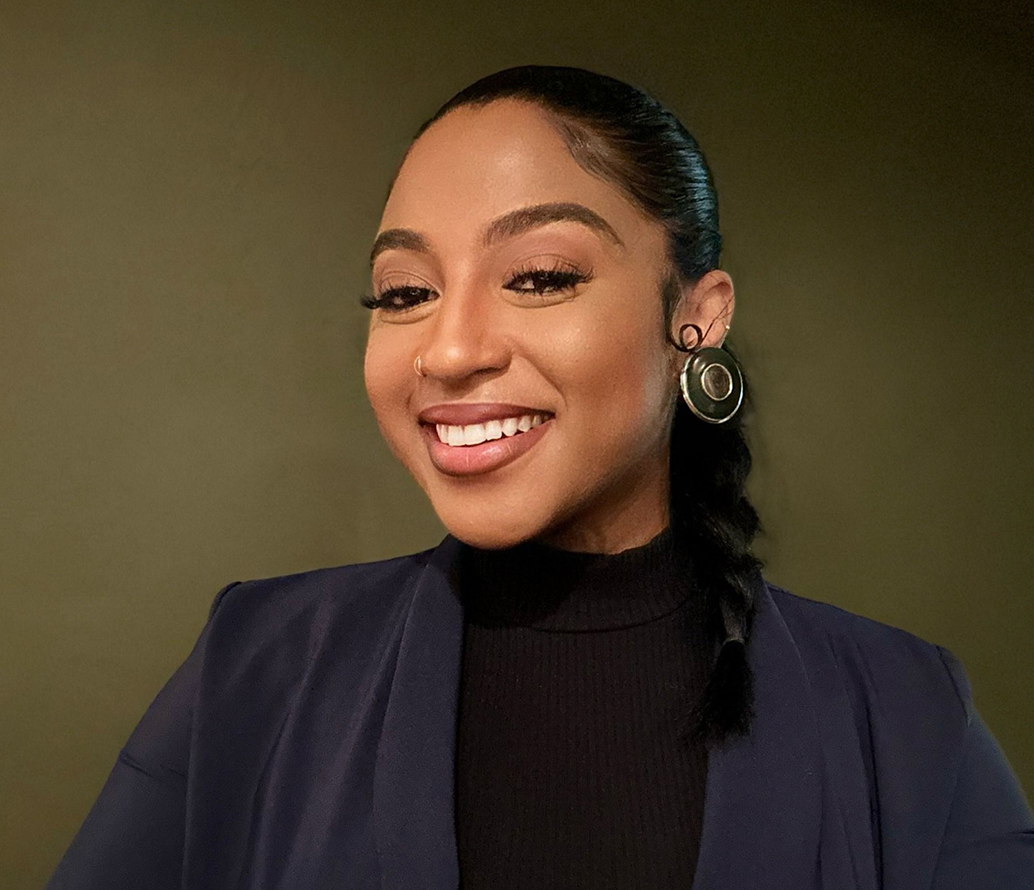
I’m a trauma-informed, culturally responsive counselor who specializes in supporting individuals’ healing from complex trauma, identity-related pain, and the weight of systemic oppression. I have a particular passion for working with single mothers, BIPOC clients, and women who are tired of carrying the emotional labor of being “the strong one.” Many of the people I work with feel unseen, unheard, emotionally exhausted, or disconnected from themselves after years of surviving rather than truly living.
Together, we create space for self-discovery, rest, healing, and a space to release stories shaped by trauma, burnout, and exhaustion, to build new ones rooted in self-worth, balance, joy, and agency. I support clients in reclaiming their voice, strengthening boundaries, and reconnecting with parts of themselves that may have been silenced or pushed aside in order to survive.
My therapeutic approach integrates Narrative Therapy, Feminist and Multicultural frameworks, and Relational Psychodynamic principles. I believe healing happens in relationships where you feel genuinely safe, affirmed, and empowered to show up as your full self without judgment. Together, we explore how early experiences, relationships, and societal narratives have shaped patterns in your life, and we collaboratively create more liberating stories that align with who you are becoming.
Specialties include:
- Empowerment and boundary setting
- Grief and loss
- Burnout and compassion fatigue
- Caregiver support
- Complex trauma and identity-related stress